Rescue Talk™
5-Ways to Improve your After-Action Reviews
Not every rescue ends the same way. Sometimes the patient walks away, sometimes they’re packaged and transported, and unfortunately, sometimes the outcome is a recovery operation instead of a rescue. At the end of the operation, everyone takes a moment to catch their breath, replaying moments in their head. The outcomes may differ, but one thing is consistent:
“…every operation leaves behind potential lessons, whether teams take the time to capture them or not.“
After-action reviews exist to make sure those lessons are not lost. They are not about blame or ego, but rather about documenting while it is still clear, before time, fatigue, and selective memory start to smooth over the rough edges of what actually happened.
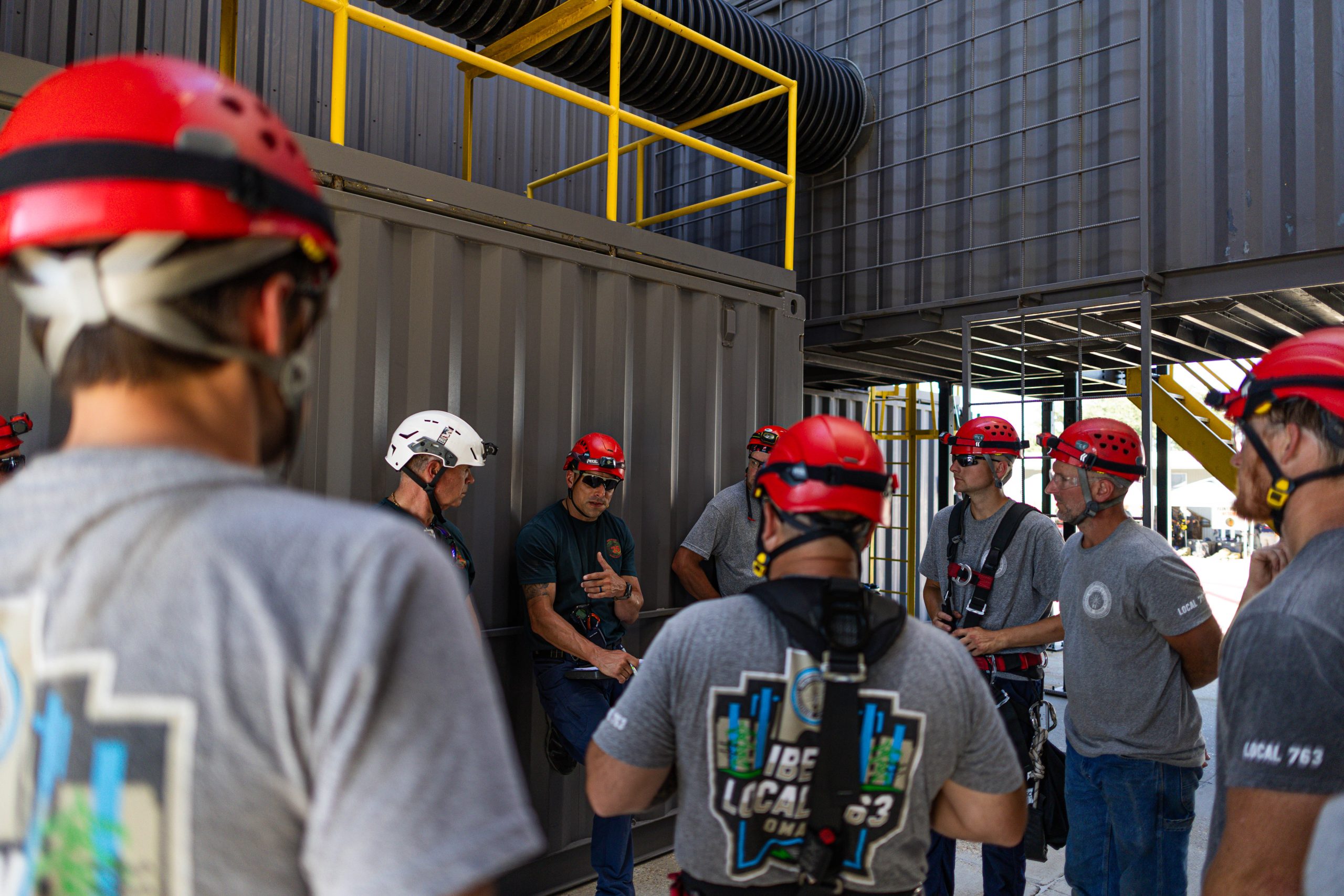
Technical rescue operations can be messy by nature. Plans evolve, conditions change, unforeseen circumstances or obstructions arise, and decisions must be made without all available information. Even well-trained teams occasionally experience breakdowns like miscommunication, assumptions that went unchallenged, or blind spots not recognized. Perhaps it was a technique that was more difficult or time consuming to deploy than expected. In the moment, these issues often feel manageable. Later, they are easy to dismiss altogether. However, taking time to reflect on these obstacles is a major opportunity to learn and grow from in the future.
A structured after-action review forces teams to slow down and look at those details without the pressure of the incident itself. It creates a controlled environment to ask hard questions. What did we expect to happen? What actually happened? Why were those two things different? The focus stays on systems, planning, and execution, not individual shortcomings or failures. Effective after-action reviews are disciplined and honest. They acknowledge constraints that existed at the time instead of judging decisions with the benefit of hindsight. They also recognize what went well. Reinforcing good decisions and effective coordination is just as important as identifying gaps.
“The focus stays on systems, planning, and execution, not individual shortcomings or failures.“
Consistency in performing after-action reviews matter far more than the formality or structure of the review itself. Teams that only conduct after-action reviews after major incidents miss opportunities to improve on routine responses, training evolutions, and even just standby operations without actionable rescues. Those smaller reviews build habits that carry over when major incidents require review.
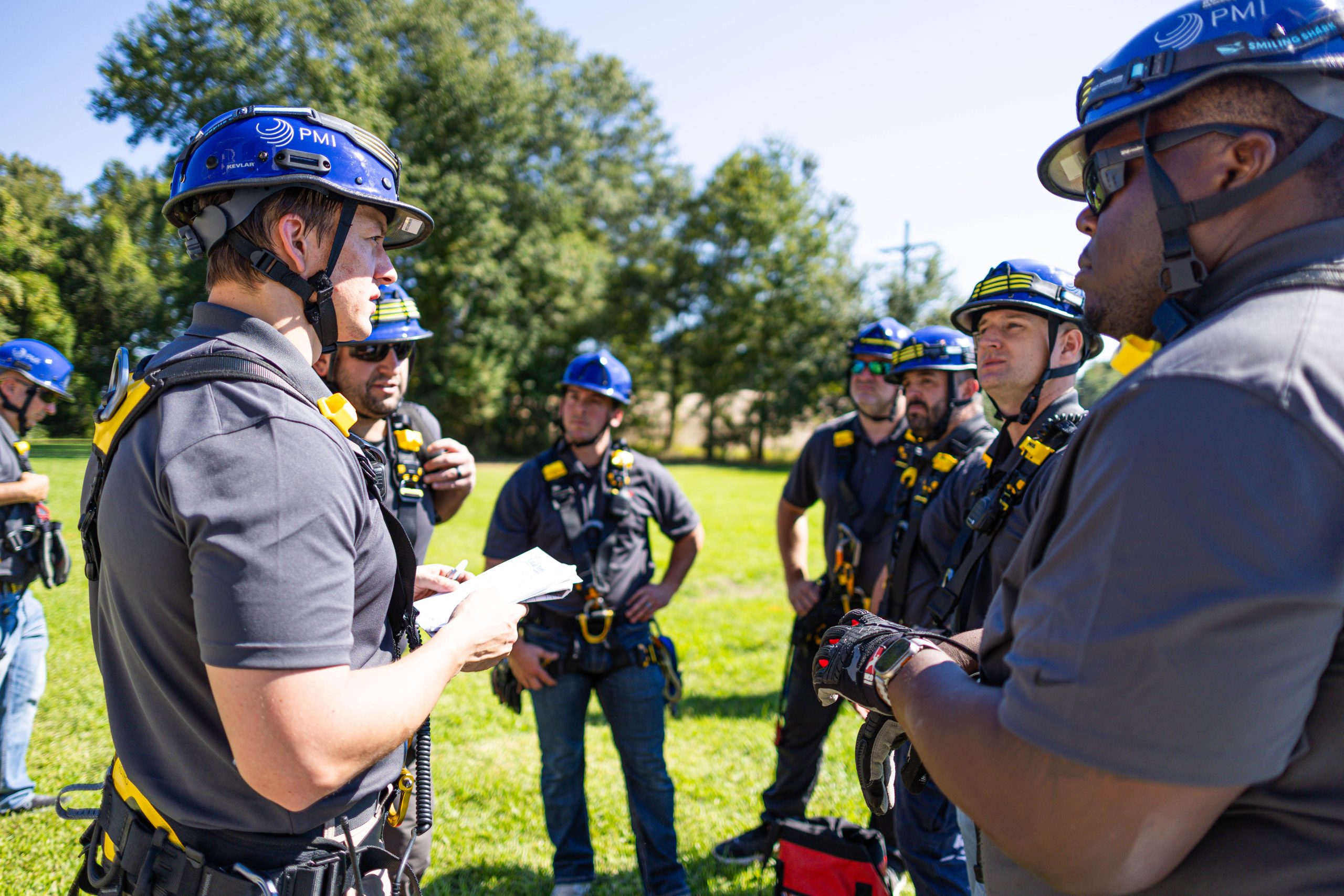
The real value of an after-action review shows up in what happens next. If the same communication issues, access problems, or equipment limitations keep appearing, the review process is failing. Lessons must translate into changes in training, preplans, equipment choices, leadership abilities, and rescue strategies. Reliance on experience alone does not equal improvement. Progress comes from deliberate learning. After-action reviews are one of the simplest and most effective tools teams have to turn experience into continuous improvement. The goal is not to rewrite history or reach perfection, but rather to be better prepared for the next rescue, especially the one that does not go according to plan.
Five Ways to Make Your After-Action Reviews More Effective
1. Keep the focus on systems, not people.
If reviews turn into personal attacks, honesty and participation disappear. Focus on procedures, assumptions, communication pathways, and decision points. When teams feel safe speaking openly, the quality of information generally improves.
2. Capture feedback while it is fresh.
Waiting days or weeks allows memory to rewrite events more favorably than they actually occurred. Conduct the review as soon as practical, even if it is informal. Early observations and discussion are usually the most accurate.
3. Ask the same core questions every time.
Consistency matters. Use a simple framework and stick to it:
- What was planned?
- What actually occurred?
- What caused the difference?
- What went well? What can improve?
- What should change?
Over time, patterns and trends will become easier to identify.
4. Write it down and assign ownership.
A review without documentation is just a conversation. Capture key takeaways, assign responsibility for follow-up actions, establish deadlines, and hold everyone accountable. If no one owns the fix, it will not happen.
5. Close the loop through training and evaluation.
Lessons learned should drive future training scenarios, refresher courses, and performance evaluations. If after-action reviews do not influence how teams train, they’re missing a major impact potential.
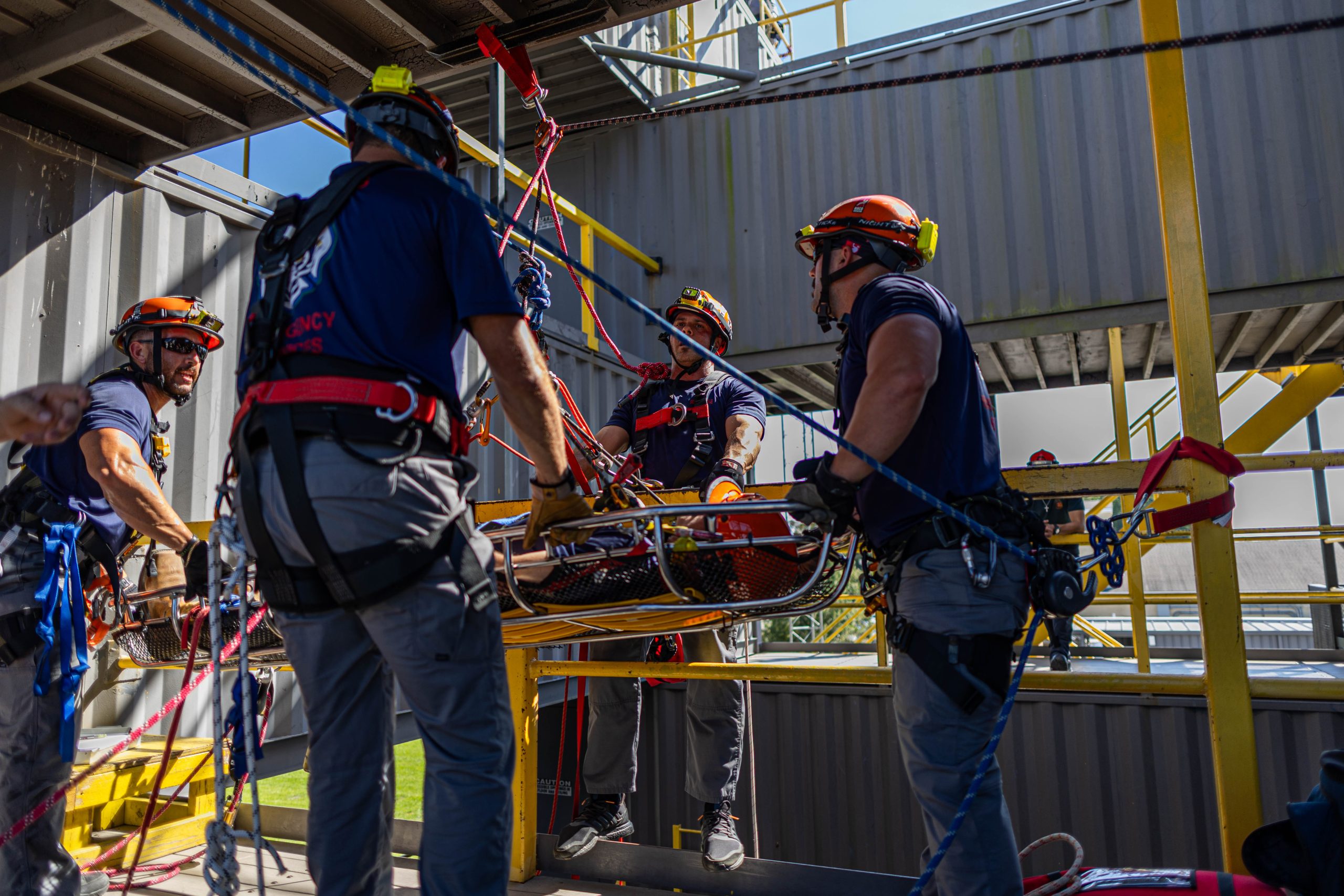
Turning Insight into Action
Roco offers several ways to hone your team’s individual skills while evaluating and improving overall team operations. A Team Performance Evaluation or Refresher Training is often the most effective way to address recurring gaps identified during reviews. For teams who want to “pressure-test” their skills in the most realistic environments, Roco Rescue Challenge 2026 offers an opportunity to see how decisions, communication, and execution hold up when it counts.