
Rescue Talk™
Gas Detection Is Only as Reliable as the Program Behind It
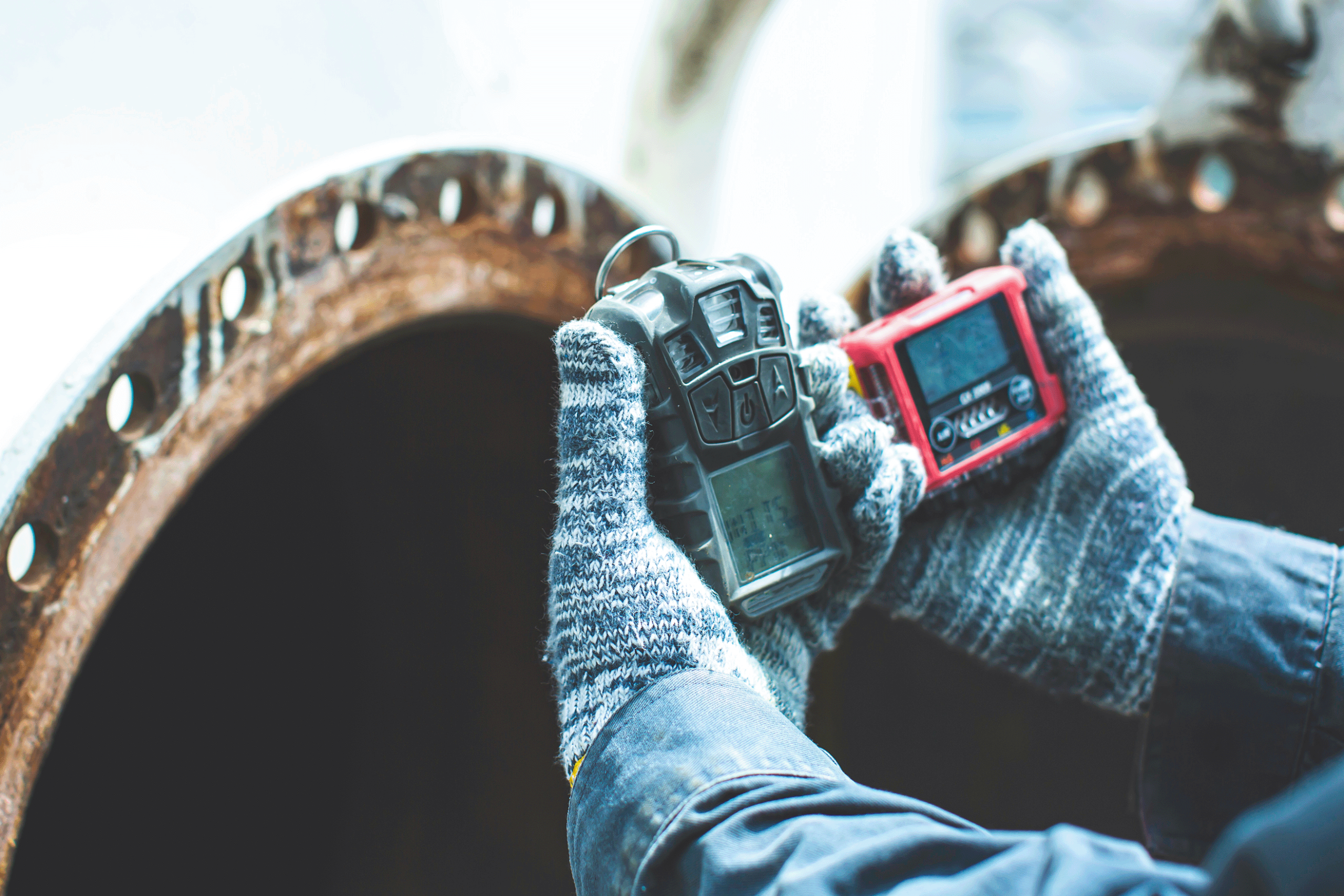
We recently came across an article from Honeywell that gives a useful overview of gas detection sensors, calibration, and the factors that can affect instrument accuracy over time.
Gas detectors use several types of sensor technology, including catalytic bead, infrared, electrochemical, and photoionization sensors. Each one works differently and has its own limitations. Age, contamination, chemical exposure, temperature, humidity, and pressure can all affect the readings an instrument provides.
That is why carrying a gas detector is only part of the job. The instrument has to be maintained, tested, and used correctly.
At Roco, we emphasize a few basic practices:
- Bump test the instrument before each day of use.
- Calibrate it at the required intervals and any time its performance is in question.
- Use certified calibration gas in the correct concentrations.
- Check that calibration gas is stored properly and has not expired.
- Make sure users understand that not all monitors are able to detect ALL hazardous gasses. (Chlorine, Ammonia, VOCs, etc.)
A bump test confirms that the sensors and alarms respond when exposed to gas. Calibration compares the instrument against a known concentration and adjusts the readings when needed. Both are necessary parts of a sound gas detection program.
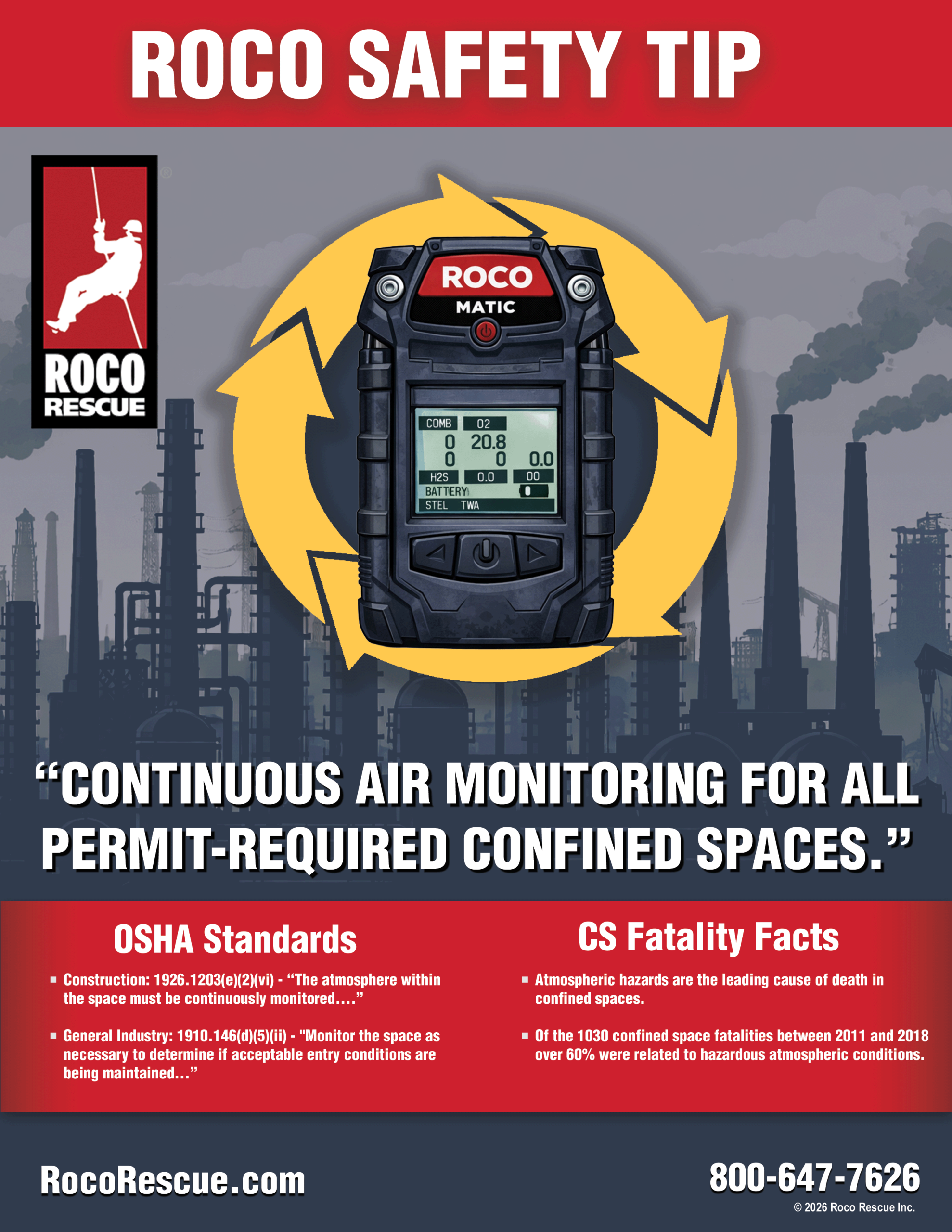
For permit-required confined space entries, Roco also emphasizes continuous atmospheric monitoring throughout the entry. Conditions can change after the initial test, especially as work progresses, ventilation changes, or new hazards are introduced. A safe reading at the beginning of an entry does not guarantee safe conditions later.
Equipment maintenance is important, but it does not replace training. Users need to know where to test, when to test, how to interpret the readings, what the sensors can and cannot detect, and what actions to take when conditions change.
A gas detector can provide critical information. The person using it still has to know what to do with that information.
Honeywell’s article provides a solid technical explanation of sensor drift, calibration gases, environmental effects, documentation, automated calibration systems, and predictive maintenance.
[Read the full article on the Occupational Health & Safety website.]
Original resource: “The Critical Role of Gas Detection Calibration in Industrial Safety,” written by Aravind J. Renganathan and Jeremy Walsh of Honeywell and published by Occupational Health & Safety on July 23, 2026.