Rescue Talk™
Dual-Main Systems in Rope Rescue
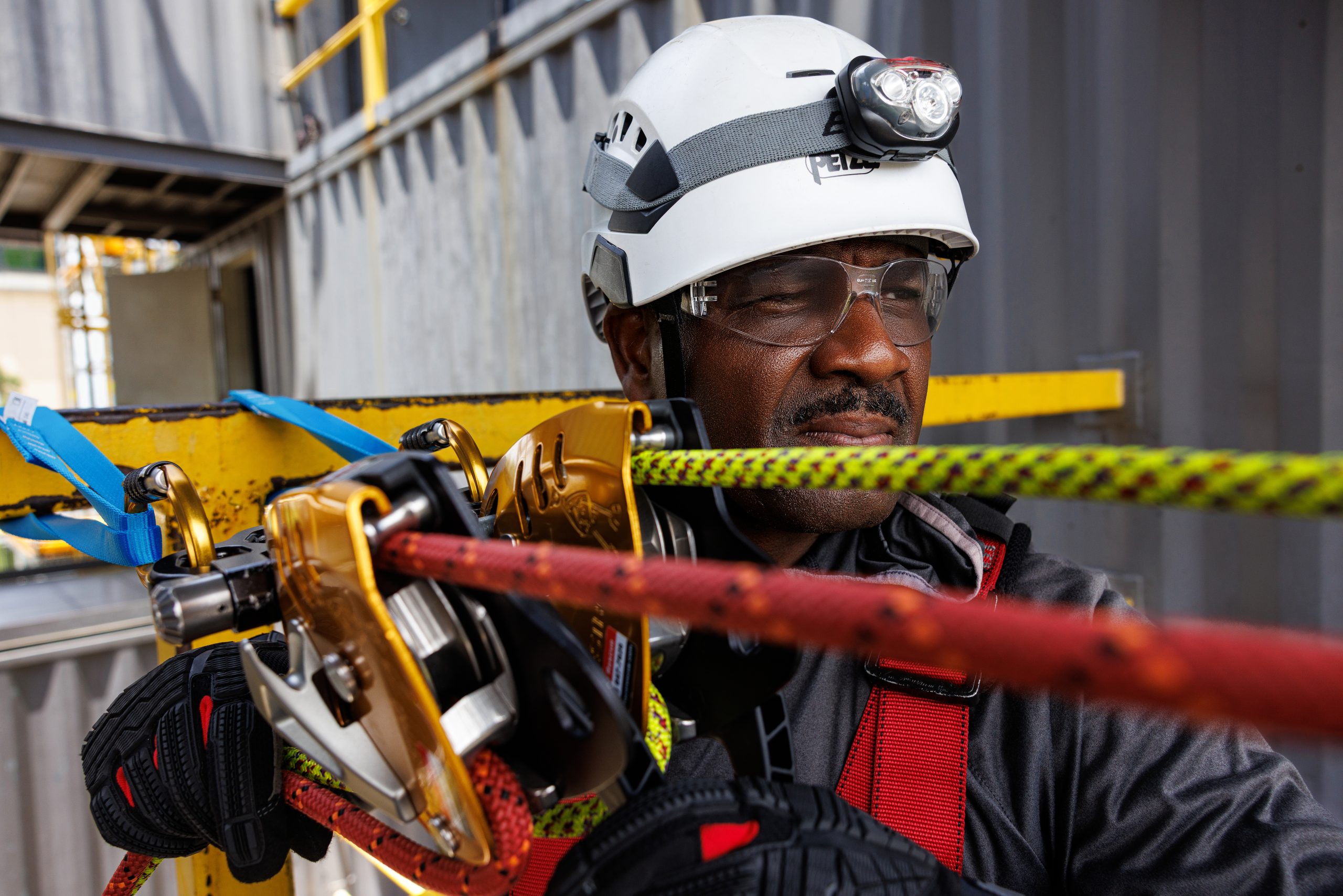
For years, the standard two-rope rescue system was built around a main line and a belay line. The main line carries the rescue load, the belay line was managed separately, and there to capture the load if the main line or primary system failed. That approach is still widely used, but more teams, especially in high-angle applications, are moving toward Dual-Main systems, also called twin-tension rope systems. In a Dual-Main rope system, both ropes are tensioned and share the rescue load. Each side is built to control the full load if the other side fails.
The Advantages of Twin-Tension Rope Systems
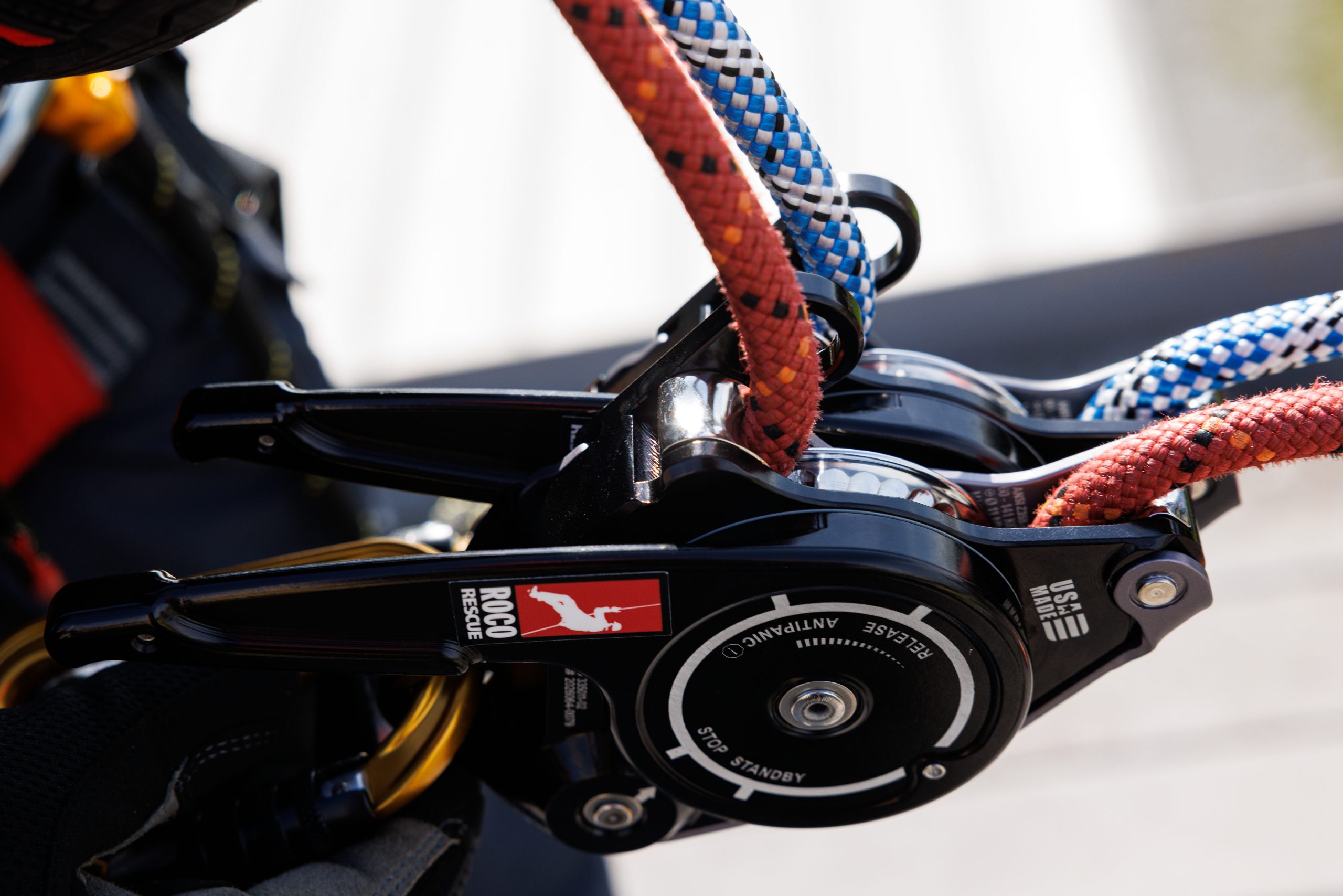
In a traditional main-and-belay system, the backup rope may be lightly loaded or slightly slack. If the main line fails, the belay must capture a dynamic load which can apply a tremendous amount of force to the entire system.
In a Dual-Main system, the second rope is already under tension. If one side fails, the remaining system takes the load with less movement. This virtually eliminates stopping distance and substantially reduces the peak forces placed on the rope system, equipment, anchors, and rescue load. It does not eliminate dynamic forces, but it reduces the potential for the sudden shock loading associated with a longer fall onto an untensioned belay.
“ This virtually eliminates stopping distance and substantially reduces the peak forces placed on the rope system, equipment, anchors, and rescue load. “
During normal operations, both ropes also share the load. This distributes forces across the two rope systems and, when separate anchors are used, across the anchor systems. The additional tension can help maintain control when the rescue load shifts, particularly during high-angle raises, lowers, and edge transitions. Both ropes can also be hauled together, allowing the team to raise the load using two coordinated systems.
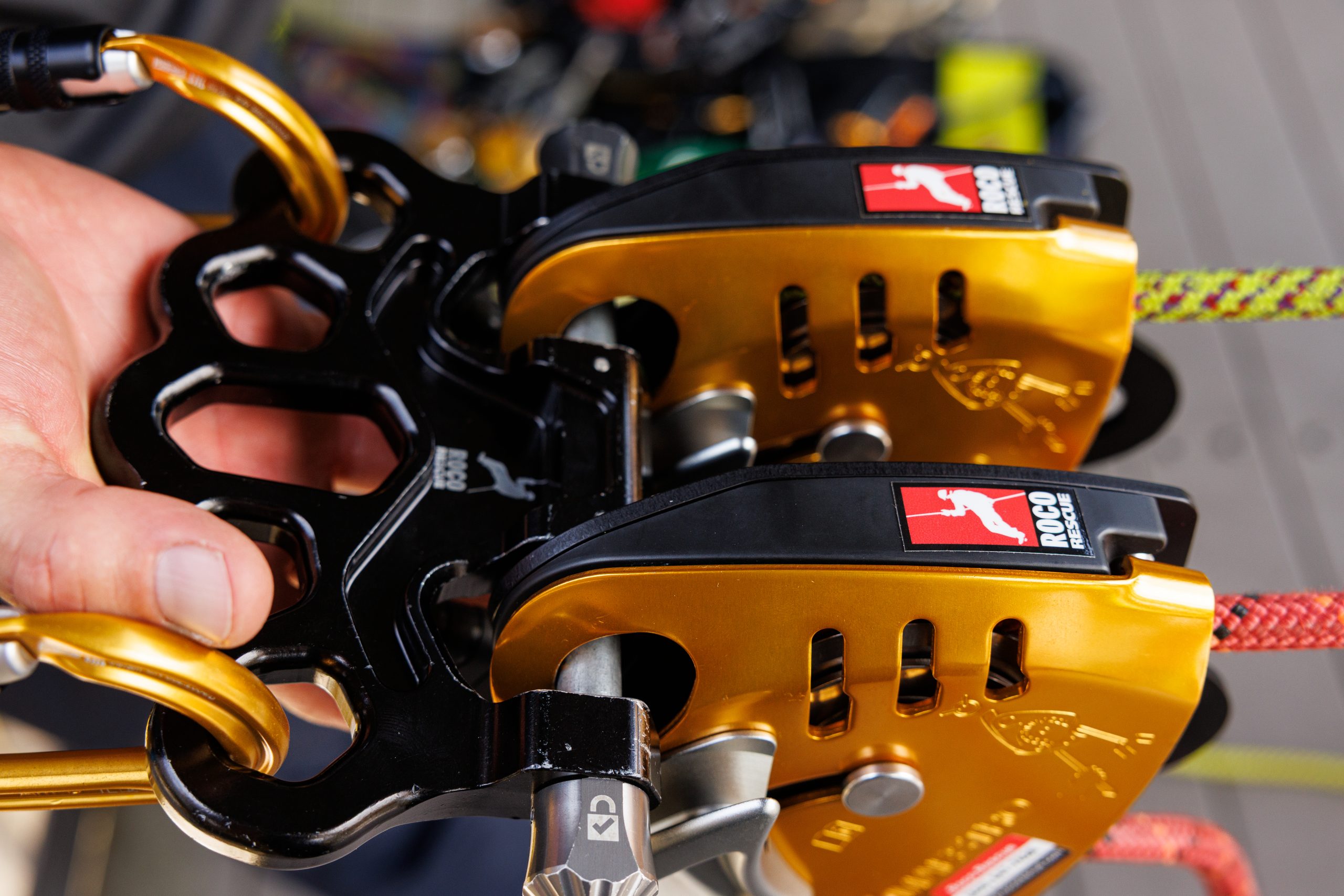
Modern equipment has made these systems easier to build and operate. Devices such as the CMC CLUTCH and Petzl MAESTRO can be used for lowering, hauling, progress capture, and load control. Using similar devices on each rope creates a mirrored setup that can simplify rigging, inspection, training, and transitions between raising and lowering.
Load sharing will not remain perfectly even. Friction, rope angles, edge contact, load movement, and differences between operators can place more weight on one side than the other during different times in the operation. Both systems must therefore be capable of supporting and controlling the full rescue load. The goal is reasonable load sharing, not a constant 50/50 split.
Traditional Systems Still Have a Place
Dual-Main systems are not a replacement for every main-and-belay arrangement. Traditional systems remain practical in many confined-space applications where the worker or rescuer is not continuously suspended from the ropes. A retrieval or safety line may follow the entrant through the space and remain lightly loaded until it is needed.
When a rescuer or patient is raised or lowered through a confined space, a twin-tension system may still be appropriate. The choice depends on how the ropes will be used, the internal configuration of the space, available anchors, and the team’s procedures.
Another Option for Rescue Teams
Dual-Main systems provide meaningful advantages during many high-angle rescue operations. They can reduce stopping distance after a failure, limit potential shock loading, distribute normal operating forces, more efficiently manage edge friction, and provide greater control as the load moves.
“The emergence of Dual-Main systems does not mean every rescue should be rigged the same way.”
Traditional main-and-belay systems remain effective where a continuously tensioned second rope provides little practical benefit. The emergence of Dual-Main systems does not mean every rescue should be rigged the same way. It gives rescue teams another effective option and reinforces the need to select a rope system based on the operation in front of them.
Want to learn more about these techniques? Check out our rescue technician courses.
Want to read more articles like this? Click below.